When Foot Swelling Requires Podiatry Treatment

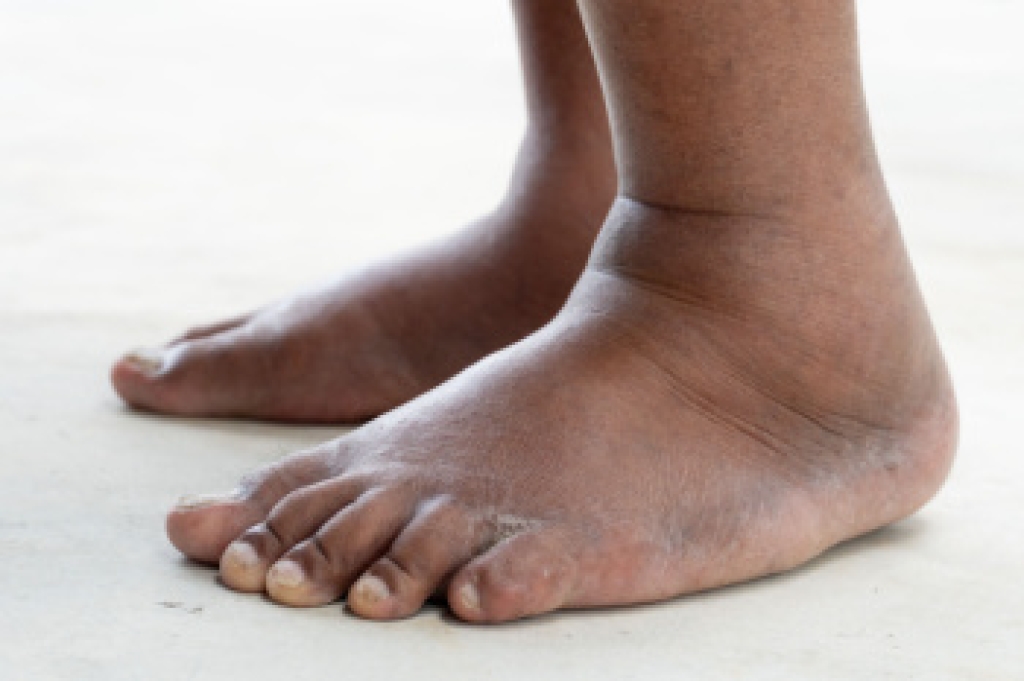
Swelling of the feet is a common problem that can make standing, walking, and wearing shoes uncomfortable. It occurs when extra fluid builds up in the tissues of the feet, causing them to appear larger than normal. Foot swelling may develop after an injury or prolonged standing. It can also be linked to certain medical conditions that affect circulation or joint health. Many people notice tightness, aching, or tenderness along with the swelling. Others may have stiffness that limits normal movement or makes daily activities more difficult. Because swollen feet can have many causes, a professional evaluation is important to determine the source of the problem and the most appropriate treatment.


In some cases, swelling affects one foot, while other conditions cause both feet to become swollen. Persistent swelling may place added stress on the joints and soft tissues, making it more difficult to maintain normal mobility. Pain, skin changes, or difficulty bearing weight may indicate a more serious underlying condition that requires medical attention. A thorough podiatry evaluation helps identify whether the swelling is related to an injury, inflammation, or another foot problem. If needed, additional testing may be recommended to better understand the cause. Early diagnosis can help prevent complications and support better long-term foot health.


A podiatrist specializes in evaluating swollen feet and identifying conditions that affect foot structure and function. During an examination, the podiatrist assesses your symptoms, foot mechanics, and overall mobility to develop a personalized treatment plan. Professional care focuses on reducing discomfort, improving movement, and addressing the underlying cause of the swelling. Early podiatry care may also help prevent worsening symptoms and reduce the risk of long-term complications. If swelling of the feet is causing pain, limiting your mobility, or becoming more frequent, it is suggested that you consult a podiatrist for an evaluation and appropriate treatment options.

Swollen feet can be a sign of an underlying condition. If you have any concerns, contact Dr. Paul Drucker of NYC Foot Care, PC. Our doctor can provide the care you need to keep you pain-free and on your feet.

Swollen feet are a common ailment among pregnant women and people who stand or sit for extended periods. Aging may increase the possibility of swollen feet and patients who are obese often notice when their feet are swelling too. There may be medical reasons why swollen feet occur:

  • Phlebitis - A condition that causes the veins to become inflamed and can also cause leg pain.
  • Liver disease - This may lead to low blood levels of albumin which is a protein. This can cause fluid in the blood to pass into the tissues and several areas of the body can become swollen.
  • Heart failure - When the heart doesn’t pump properly the blood that is normally pumped back to the heart can pool in the veins of the legs causing swollen feet.
  • Kidney disease - One of the main functions of the kidneys is releasing excess fluid in the body. This type of condition can make it difficult for the kidneys to function properly, and as a result the feet may become swollen.
  • Deep-vein thrombosis (DVT)- This is a serious condition where blood clots form in the veins of the legs. They can block the return of blood from the legs to the heart which may cause the feet to swell. It is important to be treated by a podiatrist if this condition is present.

Swollen feet can also be caused by bone and tendon conditions, including fractures, arthritis, and tendinitis. Additionally, there may be skin and toenail conditions and an infection may cause the feet to swell. Patients who take medicine to treat high blood pressure may be prone to getting swollen feet. 

Many patients elevate their feet to help relieve the swelling and this is generally a temporary remedy. When a podiatrist is consulted the reason behind the swelling can be uncovered and subsequently treated.

If you have any questions please contact our offices located in 70th Street Manhattan, 60th Street Manhattan, Jamaica, Queens, Plainview, NY and Fair Lawn, NJ . We offer the newest diagnostic and treatment technologies for all your foot and ankle needs.

Read more about Swelling of the Feet

Essential Foot and Ankle Stretches for Runners

Foot and ankle stretches are an important part of any running routine. They help prepare the muscles, tendons, and ligaments for repetitive impact and movement. Without proper stretching, runners may develop tightness, reduced flexibility, and a higher risk of injury. Common causes of foot and ankle strain include overuse, wearing improper footwear, and poor running mechanics. Symptoms may include soreness, heel pain, and limited range of motion. Risk factors such as flat feet, high arches, and previous injuries can increase the likelihood of pain.

Stretching the small muscles of the toes and feet can improve strength and coordination. Simple activities like picking up small objects with the toes or even using a playful approach similar to moving game pieces in a Monopoly game can help activate these muscles. This type of exercise supports balance and improves foot control. Stronger intrinsic foot muscles can enhance stability and reduce stress on larger structures such as the plantar fascia and Achilles tendon.


Balance training is also essential for runners. Using a wobble board or balance board challenges the ankle joint and strengthens stabilizing muscles. To perform this exercise, stand on the board with both feet and gently shift weight from side to side. Maintain an upright posture and engage the core for stability. Start with short sessions and gradually increase duration as balance improves. This helps prevent ankle sprains and improves coordination during uneven terrain running.


Plantar stretching is another key component. Sit down and cross one leg over the other, then gently pull the toes back toward the shin until a stretch is felt along the arch. Hold for several seconds and repeat regularly. Consistent stretching improves flexibility, reduces tension, and supports better running mechanics. If you have foot pain from running or need guidance on proper stretching techniques, it is suggested that you consult a podiatrist for effective relief tips and additional stretching techniques. 

Why Stretching Is Important for Your Feet

Stretching the feet is a great way to prevent injuries. If you have any concerns with your feet consult with Dr. Paul Drucker from NYC Foot Care, PC. Our doctor will assess your condition and provide you with quality foot and ankle treatment.

Stretching the Feet

Stretching the muscles in the foot is an important part in any physical activity. Feet that are tight can lead to less flexibility and make you more prone to injury. One of the most common forms of foot pain, plantar fasciitis, can be stretched out to help ease the pain. Stretching can not only ease pain from plantar fasciitis but also prevent it as well. However, it is important to see a podiatrist first to determine if stretching is right for you. Podiatrists can also recommend other ways to stretch your feet. Once you know whether stretching is right for you, here are some excellent stretches you can do.

  • Using a foam roller or any cylindrical object (a water bottle or soda can will do), roll the object under your foot back and forth. You should also exert pressure on the object. Be sure to do this to both feet for a minute. Do this exercise three times each.
  • Similar to the previous exercise, take a ball, such as a tennis ball, and roll it under your foot while seated and exert pressure on it.
  • Grab a resistance band or towel and take a seat. If you are using a towel, fold it length wise. Next put either one between the ball of your foot and heel and pull with both hands on each side towards you. Hold this for 15 seconds and then switch feet. Do this three times for each foot.
  • Finally hold your big toe while crossing one leg over the other. Pull the toe towards you and hold for 15 seconds. Once again do this three times per foot.

It is best to go easy when first stretching your foot and work your way up. If your foot starts hurting, stop exercising to ice and rest the foot. It is advised that you then see a podiatrist for help.

If you have any questions please contact our offices located in 70th Street Manhattan, 60th Street Manhattan, Jamaica, Queens, Plainview, NY and Fair Lawn, NJ . We offer the newest diagnostic and treatment technologies for all your foot and ankle needs.

Read more about How to Stretch Your Feet

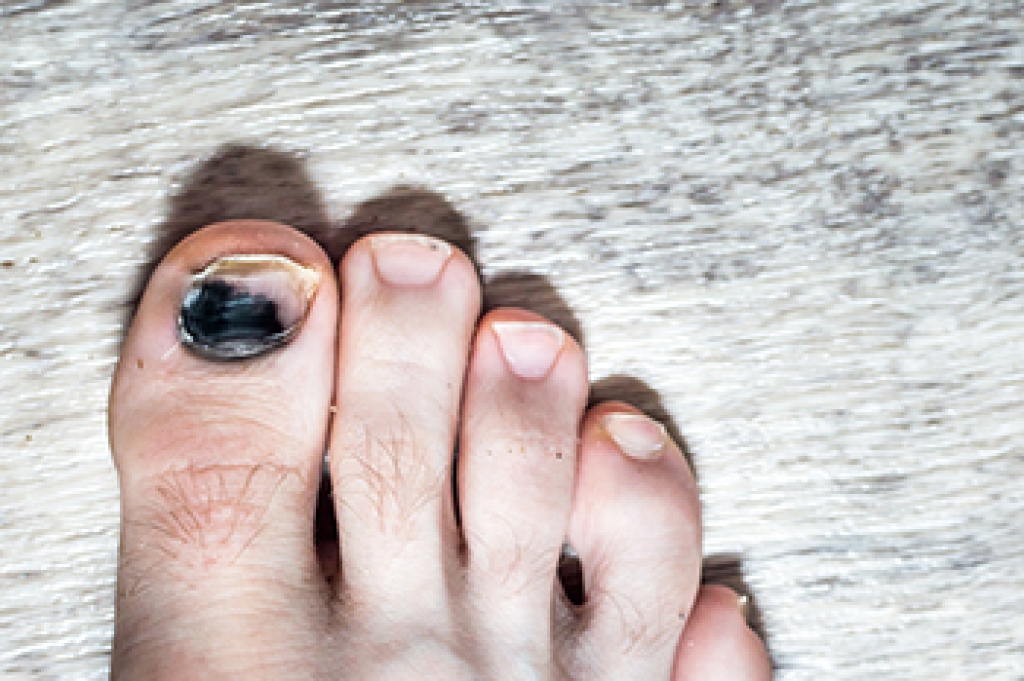
Are You Suffering From Ingrown Toenails?

If left untreated, an ingrown toenail can lead to more serious concerns, such as an infection. Knowing proper nail care can help in the prevention of an ingrown toenail. Give us a call, and get treated!

Connect With Us

Advanced Podiatric Procedures & Services in the  New York City, NY: Manhattan, Brooklyn, Queens, Bronx, Staten Island, Jamaica, NY, Plainview, NY, Long Island, NY, Fair Lawn, NJ, Prospect Park, NJ, Paterson, NJ, Garfield, NJ, Maywood, NJ, Glen Rock, NJ, Ridgewood, NJ areas