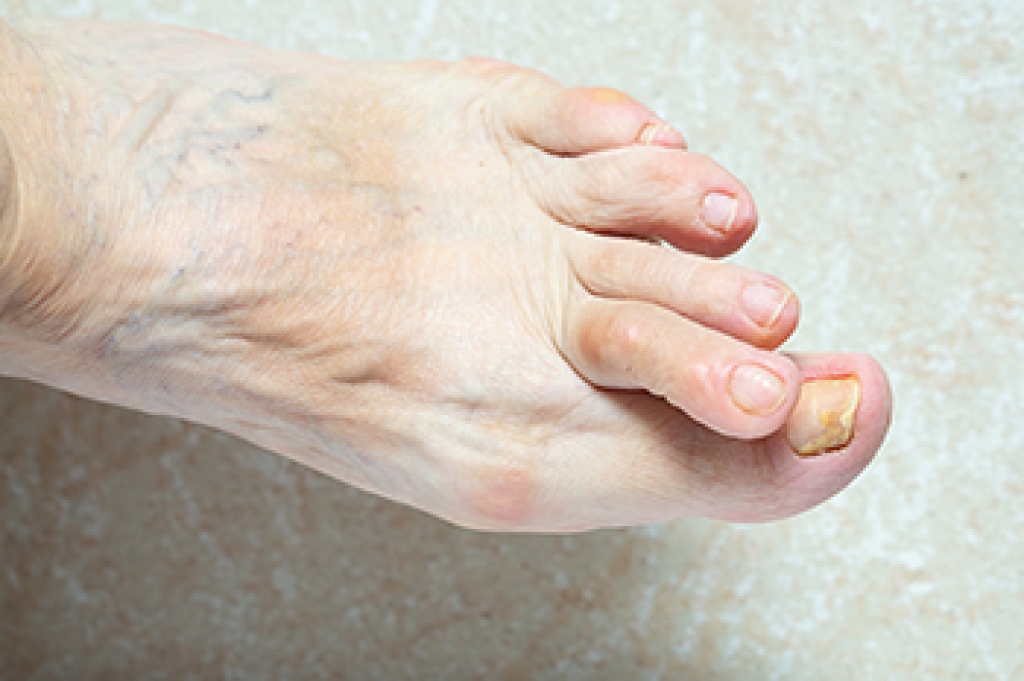
When Hammertoe Causes Foot Pain

Hammertoe develops when one or more of the smaller toes remain bent instead of pointing forward normally. It usually affects the middle joint of the toe, creating a curled or raised appearance. The condition develops because the muscles and tendons that normally keep the toe straight become unbalanced. Hammertoe may be flexible at first, meaning the toe can still move. Over time, it can become more rigid and difficult to straighten. Shoes that are too tight or narrow can worsen the problem by forcing the toes into a bent position for long periods.


As hammertoe progresses, the bent toe may rub against the inside of a shoe and become irritated. Common symptoms include pain, redness, and swelling around the affected joint. Corns may form on top of the toe where it repeatedly rubs against footwear, while calluses can develop on the bottom of the foot from increased pressure. Some people may also have difficulty finding comfortable shoes or experience pain while walking. Certain foot structures can increase the likelihood of developing hammertoe. The condition may also occur along with other foot problems, including bunions.


A podiatrist can examine the affected toes and determine how flexible or rigid the hammertoe has become. The evaluation may include checking the foot for areas of tenderness and examining how the toes move. X-rays may also be used to examine the bones and joints. Treatment depends on the severity of the hammertoe and how much it affects walking or comfort. When the toe has become rigid, or symptoms are severe, surgery may be considered to correct the position of the toe. A podiatrist can determine which treatment approach is appropriate based on the individual foot structure and symptoms. If a bent toe is causing persistent pain or difficulty walking comfortably, it is suggested that you consult a podiatrist for an evaluation and appropriate treatment options.

Hammertoes can be a painful condition to live with. For more information, contact Dr. Paul Drucker of NYC Foot Care, PC. Our doctor will answer any of your foot- and ankle-related questions.

Hammertoe

Hammertoe is a foot deformity that occurs due to an imbalance in the muscles, tendons, or ligaments that normally hold the toe straight. It can be caused by the type of shoes you wear, your foot structure, trauma, and certain disease processes.

Symptoms

  • Painful and/or difficult toe movement
  • Swelling
  • Joint stiffness
  • Calluses/Corns
  • Physical deformity

Risk Factors

  • Age – The risk of hammertoe increases with age
  • Sex – Women are more likely to have hammertoe compared to men
  • Toe Length – You are more likely to develop hammertoe if your second toe is longer than your big toe
  • Certain Diseases – Arthritis and diabetes may make you more likely to develop hammertoe

Treatment

If you have hammertoe, you should change into a more comfortable shoe that provides enough room for your toes. Exercises such as picking up marbles may strengthen and stretch your toe muscles. Nevertheless, it is important to seek assistance from a podiatrist in order to determine the severity of your hammertoe and see which treatment option will work best for you.

If you have any questions, please feel free to contact our offices located in 70th Street Manhattan, 60th Street Manhattan, Jamaica, Queens, Plainview, NY and Fair Lawn, NJ . We offer the newest diagnostic and treatment technologies for all your foot care needs.


Read more about Hammertoe

How a Podiatrist Can Help With Bunions

A bunion is a change in the alignment of the big toe joint that creates a noticeable bump along the inside of the foot. As the big toe shifts toward the smaller toes, the joint can become enlarged, red, or painful. Some bunions cause few symptoms, while others can make walking and wearing shoes uncomfortable. Tight-fitting or narrow-toed shoes can place pressure on the area and increase discomfort. A bunion can also develop because of foot structure, certain health conditions, or an earlier foot injury. A podiatrist can examine the foot and determine whether a bunion is causing the symptoms.

A podiatrist can evaluate the position of the big toe and the affected joint during a foot examination. X-rays can also help show changes in the bones and joints. The findings can help determine the severity of the bunion and guide treatment. Professional treatment focuses on improving comfort and reducing pressure on the affected area. A podiatrist can discuss appropriate shoes, foot supports, or other treatment options based on the patient’s needs. When a bunion becomes severe or causes significant pain, surgery can be considered to correct the position of the affected bones and joint. Different surgical procedures are used based on the type and severity of the bunion.

Bunions can also affect the way the foot functions. Pain and changes in toe position can make certain activities harder and can create pressure against shoes. A podiatrist can monitor the bunion and assess changes in pain, movement, and foot alignment. Professional evaluation can also help identify related problems, like corns or irritation around the joint. Treatment decisions depend on the patient’s symptoms, foot structure, and the severity of the deformity. Early evaluation can provide a clearer understanding of the problem and available treatment choices. If you have symptoms of bunions, it is suggested that you make an appointment with a podiatrist for diagnosis and treatment.

If you are suffering from bunion pain, contact Dr. Paul Drucker of NYC Foot Care, PC. Our doctor can provide the care you need to keep you pain-free and on your feet.

What Is a Bunion?

Bunions are painful bony bumps that usually develop on the inside of the foot at the joint of the big toe. As the deformity increases over time, it may become painful to walk and wear shoes. Women are more likely to exacerbate existing bunions since they often wear tight, narrow shoes that shift their toes together. Bunion pain can be relieved by wearing wider shoes with enough room for the toes.

Causes

  • Genetics – some people inherit feet that are more prone to bunion development
  • Inflammatory Conditions - rheumatoid arthritis and polio may cause bunion development

Symptoms

  • Redness and inflammation
  • Pain and tenderness
  • Callus or corns on the bump
  • Restricted motion in the big toe

In order to diagnose your bunion, your podiatrist may ask about your medical history, symptoms, and general health. Your doctor might also order an x-ray to take a closer look at your feet. Nonsurgical treatment options include orthotics, padding, icing, changes in footwear, and medication. If nonsurgical treatments don’t alleviate your bunion pain, surgery may be necessary.

If you have any questions, please feel free to contact our offices located in 70th Street Manhattan, 60th Street Manhattan, Jamaica, Queens, Plainview, NY and Fair Lawn, NJ . We offer the newest diagnostic and treatment technologies for all your foot care needs.

Read more about What Are Bunions?

Symptoms and Causes of Ankle Sprains

An ankle sprain occurs when the strong bands of tissue that support the ankle are stretched or torn. These bands, called ligaments, help keep the joint stable. A sprain can occur when the foot rolls inward, the ankle twists suddenly, or a person lands awkwardly. Sports often lead to ankle sprains, but they also happen from tripping on a step or walking on uneven ground. Symptoms include pain, swelling, and bruising. Putting weight on the injured foot becomes a problem. The amount of pain does not always show how serious the injury is, so a proper examination is important.

Ankle sprains are grouped by how much ligament damage has occurred. A mild sprain involves stretching with little damage, while a moderate sprain involves a partial tear. A severe sprain can involve a complete tear and significant ankle instability. A podiatrist can examine the ankle, check its movement, and determine where tenderness is located. The examination can also help distinguish a sprain from a broken bone or another injury. X-rays can be ordered when a fracture is suspected. Other imaging tests can provide a closer look at ligaments and nearby tissues when the extent of the injury is unclear.

Treatment depends on the location and severity of the sprain. A podiatrist can protect and stabilize the ankle with taping, a brace, or a walking boot. More serious injuries require a cast or another form of support. Surgery is rarely required, but it can be considered for severe ligament damage or ongoing instability. A podiatrist can also guide a safe return to work, exercise, and sports. Returning too soon can raise the risk of another sprain and lead to chronic ankle weakness. Follow-up visits allow the podiatrist to check healing and adjust treatment as the ankle improves. If you have symptoms of an ankle sprain, it is suggested that you schedule an appointment with a podiatrist for a diagnosis and appropriate treatment.

Although ankle sprains are common, they aren’t always minor injuries. If you need your ankle injury looked at, contact Dr. Paul Drucker from NYC Foot Care, PC. Our doctor can provide the care you need to keep you pain-free and on your feet.

How Does an Ankle Sprain Occur?

Ankle sprains are the result of a tear in the ligaments within the ankle. These injuries may happen when you make a rapid shifting movement while your foot is planted. A less common way to sprain your ankle is when your ankle rolls inward while your foot turns outward.

What Are the Symptoms?

  • Pain at the sight of the tear
  • Bruising/Swelling
  • Ankle area is tender to touch
  • In severe cases, may hear/feel something tear
  • Skin discoloration

Preventing a Sprain

  • Wearing appropriate shoes for the occasion
  • Stretching before exercises and sports
  • Knowing your limits

Treatment of a Sprain

In many cases, the RICE method (Rest, Ice, Compression, and Elevate) is used to treat ankle sprains. However, you should see a podiatrist to see which treatment option would work best with your injury. In severe cases, surgery may be required.

It is important to ask your doctor about rehab options after you receive treatment for your injury. Stretching, strength training, and balance exercises may help the ankle heal while also preventing further injury.

If you have any questions, please feel free to contact our offices located in 70th Street Manhattan, 60th Street Manhattan, Jamaica, Queens, Plainview, NY and Fair Lawn, NJ . We offer the newest diagnostic and treatment technologies for all your foot care needs.

Read more about Ankle Sprains

Understanding Hammertoe Foot Surgery

Foot surgery can restore comfort and improve movement when other treatments no longer provide enough relief. Many foot problems respond well to conservative care, but some conditions continue to cause pain or limit daily activities. One example is hammertoe, which develops when a toe bends abnormally at the middle joint. As the deformity becomes more severe, the toe can become stiff, painful, and difficult to straighten. Pressure from shoes can also lead to corns, calluses, and irritation. A podiatrist carefully evaluates the affected foot to determine whether surgery is the best option based on the condition and its impact on daily life.

Before recommending surgery, a podiatrist performs a thorough examination and reviews symptoms, foot structure, and joint movement. Imaging tests, like X-rays, help show the position of the bones and the severity of the deformity. Surgery includes different techniques depending on the problem being treated. A podiatrist might straighten the toe by releasing tight tendons, removing a small section of bone, or stabilizing the joint. The goal is to reduce pain, improve alignment, and restore function while making it easier to wear shoes comfortably. Each treatment plan is designed to match the patient's condition and activity level.

Recovery after foot surgery depends on the type of procedure and the condition being corrected. A podiatrist provides detailed instructions, monitors healing, and evaluates progress with follow-up visits. Careful monitoring helps reduce the chance of complications and supports a successful outcome. Early evaluation also allows a podiatrist to determine whether surgery is necessary before the condition becomes more limiting. Prompt treatment can improve comfort, increase mobility, and help patients return to daily activities with greater confidence. If you have a hammertoe that requires surgery, it is suggested that you schedule an appointment with a podiatrist  to discuss the benefits of foot surgery with you.

Foot surgery is sometimes necessary to treat a foot ailment. To learn more, contact Dr. Paul Drucker of NYC Foot Care, PC. Our doctor will assist you with all of your foot and ankle needs.

When Is Surgery Necessary?

Foot and ankle surgery is generally reserved for cases in which less invasive, conservative procedures have failed to alleviate the problem. Some of the cases in which surgery may be necessary include:

  • Removing foot deformities like bunions and bone spurs
  • Severe arthritis that has caused bone issues
  • Cosmetic reconstruction

What Types of Surgery Are There?

The type of surgery you receive will depend on the nature of the problem you have. Some of the possible surgeries include:

  • Bunionectomy for painful bunions
  • Surgical fusion for realignment of bones
  • Neuropathy decompression surgery to treat nerve damage

Benefits of Surgery

Although surgery is usually a last resort, it can provide more complete pain relief compared to non-surgical methods and may allow you to finally resume full activity.

Surgical techniques have also become increasingly sophisticated. Techniques like endoscopic surgery allow for smaller incisions and faster recovery times.

If you have any questions, please feel free to contact our offices located in 70th Street Manhattan, 60th Street Manhattan, Jamaica, Queens, Plainview, NY and Fair Lawn, NJ . We offer the newest diagnostic and treatment technologies for all your foot care needs.

Read more about Foot and Ankle Surgery

Do Your Child's Feet Hurt?

Have your child's feet been examined lately? Healthy feet are happy feet. If your child is complaining of foot pain, it may be a sign of underlying problems.

Connect With Us

Advanced Podiatric Procedures & Services in the  New York City, NY: Manhattan, Brooklyn, Queens, Bronx, Staten Island, Jamaica, NY, Plainview, NY, Long Island, NY, Fair Lawn, NJ, Prospect Park, NJ, Paterson, NJ, Garfield, NJ, Maywood, NJ, Glen Rock, NJ, Ridgewood, NJ areas