Understanding Diabetes-Related Foot Ulcers

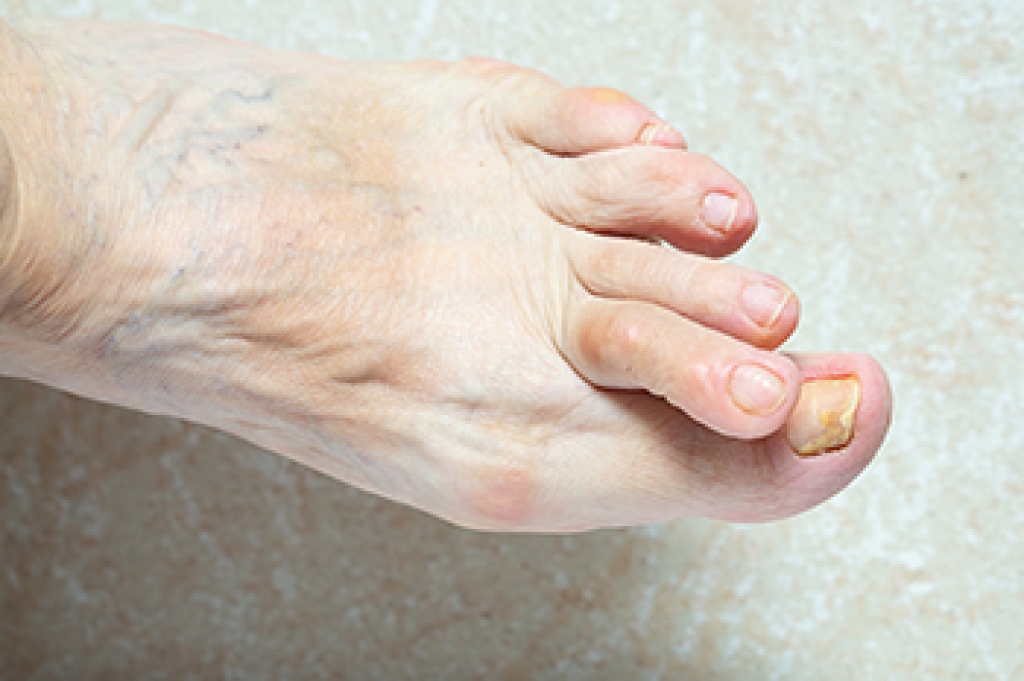
Diabetes-related foot ulcers are open sores that develop due to poor circulation, nerve damage, and prolonged pressure on the feet. They often appear on the bottom of the foot or near bony areas and may look like a shallow or deep wound with redness, drainage, or darkened surrounding skin. Because of nerve damage, it may not feel very painful at first, but some people notice pressure, aching, or signs of infection, such as swelling or odor. Causes include uncontrolled blood sugar, loss of sensation, and delayed wound healing. A podiatrist can help from the start by diagnosing the ulcer, assessing circulation and nerve function, and identifying risk factors. Early treatment may include wound care, debridement, and pressure relief. Care can then progress into advanced wound therapies, custom footwear, and long-term prevention strategies. Early intervention helps protect foot health and mobility. If you have foot complications from diabetes, it is suggested that you regularly see a podiatrist.

Diabetic foot care is important in preventing foot ailments such as ulcers. If you are suffering from diabetes or have any other concerns about your feet, contact Dr. Paul Drucker from NYC Foot Care, PC. Our doctor can provide the care you need to keep you pain-free and on your feet.

Diabetic Foot Care

Diabetes affects millions of people every year. The condition can damage blood vessels in many parts of the body, especially the feet. Because of this, taking care of your feet is essential if you have diabetes, and having a podiatrist help monitor your foot health is highly recommended.

The Importance of Caring for Your Feet

  • Routinely inspect your feet for bruises or sores.
  • Wear socks that fit your feet comfortably.
  • Wear comfortable shoes that provide adequate support.

Patients with diabetes should have their doctor monitor their blood levels, as blood sugar levels play such a huge role in diabetic care. Monitoring these levels on a regular basis is highly advised.

It is always best to inform your healthcare professional of any concerns you may have regarding your feet, especially for diabetic patients. Early treatment and routine foot examinations are keys to maintaining proper health, especially because severe complications can arise if proper treatment is not applied.

If you have any questions, please feel free to contact our offices located in 70th Street Manhattan, 60th Street Manhattan, Jamaica, Queens, Plainview, NY and Fair Lawn, NJ . We offer the newest diagnostic and treatment technologies for all your foot care needs.
Read more about Diabetic Foot Conditions

Foot and Ankle Injuries in Padel Players

Padel is a fast-growing racquet sport that blends elements of tennis and squash, played on a smaller enclosed court with quick directional changes and constant lateral movement. Because the game relies on rapid pivots, sudden stops, and explosive pushes off the foot, it places notable stress on the lower extremities. Many players develop issues such as ankle sprains from twisting on the enclosed court surface, peroneal tendon irritation from repeated side-to-side motions, or plantar fasciitis caused by continuous impact during rallies. Stress to the forefoot can also lead to metatarsalgia or aggravate bunions and hammertoes, especially in players wearing tight or unsupportive shoes. Early recognition of soreness, swelling, or instability is key, since untreated injuries can worsen quickly in such a dynamic sport. It is suggested that you see a podiatrist if ankle or foot pain persists, as prompt care helps maintain comfort, performance, and long-term foot health.

Sports related foot and ankle injuries require proper treatment before players can go back to their regular routines. For more information, contact Dr. Paul Drucker of NYC Foot Care, PC. Our doctor can provide the care you need to keep you pain-free and on your feet.

Sports Related Foot and Ankle Injuries

Foot and ankle injuries are a common occurrence when it comes to athletes of any sport. While many athletes dismiss the initial aches and pains, the truth is that ignoring potential foot and ankle injuries can lead to serious problems. As athletes continue to place pressure and strain the area further, a mild injury can turn into something as serious as a rupture and may lead to a permanent disability. There are many factors that contribute to sports related foot and ankle injuries, which include failure to warm up properly, not providing support or wearing bad footwear. Common injuries and conditions athletes face, including:

  • Plantar Fasciitis
  • Achilles Tendinitis
  • Achilles Tendon Rupture
  • Ankle Sprains

Sports related injuries are commonly treated using the RICE method. This includes rest, applying ice to the injured area, compression and elevating the ankle. More serious sprains and injuries may require surgery, which could include arthroscopic and reconstructive surgery. Rehabilitation and therapy may also be required in order to get any recovering athlete to become fully functional again. Any unusual aches and pains an athlete sustains must be evaluated by a licensed, reputable medical professional.

If you have any questions please contact our offices located in 70th Street Manhattan, 60th Street Manhattan, Jamaica, Queens, Plainview, NY and Fair Lawn, NJ . We offer the newest diagnostic and treatment technologies for all your foot and ankle needs.

Read more about Sports Related Foot And Ankle Injuries

Achieving the Perfect Fit in Running Shoes

Getting a great fit in running shoes is essential for comfort, performance, and injury prevention. Proper toe fit allows toes to move freely without rubbing or crowding, reducing the risk of blisters and nail issues. Midfoot fit ensures the shoe supports the arch and prevents slipping, while a secure heel fit stabilizes the foot and minimizes friction that can lead to discomfort or injury. Shoe size and shape should match your foot structure and running style. A podiatrist can help by evaluating foot mechanics, identifying pressure points, recommending appropriate footwear, and suggesting custom orthotics, if needed. If running causes foot pain, discomfort, or frequent injuries, it is suggested that you consult a podiatrist who can treat various foot conditions, and provide additional guidance on how to choose shoes that fit properly. 

Finding a properly-fitting shoe is important in reducing injuries and preventing foot problems. For more information about treatment, contact Dr. Paul Drucker from NYC Foot Care, PC. Our doctor will treat your foot and ankle needs.

Proper Shoe Fitting

A common concern when it comes to foot health, having properly fitted shoes can help prevent injuries to the foot. Out feet affect our posture and gait, which in turn affects the biomechanics and overall bodily structure. With 33 joints, 26 bones, and over 100 ligaments, the potential for serious injury is much greater than one realizes. Although the feet cease growth in adulthood, they still change shape as they mature. Here are some factors to consider when it comes to investing in proper fitting shoes:

  • Be sure the shoes fit correctly right away
  • Ensure the ball of your foot fits comfortably in the widest portion of the shoes
  • Even though they may look fashionable, improper fitting shoes can either create adverse conditions or exacerbate existing ones you may already have
  • Walk along a carpeted surface to ensure the shoes comfortably fit during normal activity

Keeping in mind how shoes fit the biomechanics of your body, properly-fitting shoes are vitally important. Fortunately, it is not difficult to acquire footwear that fits correctly. Be sure to wear shoes that support the overall structure of your body. Do your feet a favor and invest in several pairs of well-fitted shoes today.

If you have any questions, please feel free to contact our offices located in 70th Street Manhattan, 60th Street Manhattan, Jamaica, Queens, Plainview, NY and Fair Lawn, NJ . We offer the newest diagnostic and treatment technologies for all your foot care needs.
Read more about Proper Shoe Fitting

Do You Suffer From Painful Feet?

Painful deformities, such as hammertoes, can be treated. Stop living with foot pain, and have beautiful feet again!

When the Big Toe Becomes Stiff and Painful

Hallux rigidus is a form of arthritis that affects the joint at the base of the big toe, making it difficult to bend or push off while walking. Over time, the joint loses flexibility as cartilage wears down, leading to stiffness, swelling, and aching pain, especially during motion. Some people notice a bump forming on top of the toe joint, which can make wearing certain shoes uncomfortable. Because this joint plays a key role in balance and forward movement, even small limitations can affect overall mobility. Early treatment focuses on reducing joint stress with supportive footwear, custom orthotics, and anti-inflammatory care. In more advanced cases, surgery may help to restore comfort and function. If your big toe feels stiff or sore when walking, it is suggested that you see a podiatrist for evaluation and treatment options.

Toe pain can disrupt your daily activities. If you have any concerns, contact Dr. Paul Drucker of NYC Foot Care, PC. Our doctor can provide the care you need to keep you pain-free and on your feet.

What Causes Toe Pain?

Most severe toe pain is caused due to a sports injury, trauma from dropping something heavy on the toe, or bumping into something rigid. Other problems can develop over time for various reasons.

Toe pain can be caused by one or more ailments. The most common include:

  • Trauma
  • Sports injury
  • Wearing shoes that are too tight
  • Arthritis
  • Gout
  • Corns and calluses
  • Hammertoe
  • Bunions
  • Blisters
  • Ingrown toenails
  • Sprains
  • Fractures (broken bones)
  • Dislocations

When to See a Podiatrist

  • Severe pain
  • Persistent pain that lasts more than a week
  • Signs of infection
  • Continued swelling
  • Pain that prevents walking

Diagnosis

In many cases the cause of toe pain is obvious, but in others, a podiatrist may want to use more advanced methods to determine the problem. These can range from simple visual inspections and sensation tests to X-rays and MRI scans. Prior medical history, family medical history, and any recent physical traumatic events will all be taken into consideration for a proper diagnosis.

Treatment

Treatments for toe pain and injuries vary and may include shoe inserts, padding, taping, medicines, injections, and in some cases, surgery. If you believe that you have broken a toe, please see a podiatrist as soon as possible.

If you have any questions please contact our offices located in 70th Street Manhattan, 60th Street Manhattan, Jamaica, Queens, Plainview, NY and Fair Lawn, NJ . We offer the newest diagnostic and treatment technologies for all your foot and ankle needs.

Read more about Toe Pain

Connect With Us

scroll to top