
Have your child's feet been examined lately? Healthy feet are happy feet. If your child is complaining of foot pain, it may be a sign of underlying problems.
Have your child's feet been examined lately? Healthy feet are happy feet. If your child is complaining of foot pain, it may be a sign of underlying problems.

Running puts repeated force on the feet, and the plantar fascia absorbs stress. The plantar fascia is a band of tissue that runs from the heel to the toes and supports the arch. When this tissue becomes irritated, heel pain can develop. Pain from plantar fasciitis is sharpest with the first steps after waking. A run may feel manageable at first, but discomfort can increase as the foot works harder. Sudden changes in mileage, faster training, and hills can place extra strain on the heel. Shoes that lack proper support can add stress.
Runners should not assume heel pain will fade. Continuing the same training schedule can make irritation harder to settle and affect running form. A runner may alter their gait by shortening each step or shifting weight away from the sore heel. These changes can strain the ankle, knee, or other foot. A podiatrist can examine the painful area and evaluate how the foot moves to rule out a stress fracture. Imaging can clarify the diagnosis if needed. An early evaluation gives the runner a clear plan and can reduce time away from training.
Treatment from a podiatrist focuses on easing heel stress and supporting a safe return to running. The podiatrist can recommend activity changes and prescribe custom orthotics to improve foot support. This helps avoid the motion that pulls on the plantar fascia. The doctor may suggest supportive shoes or a night splint, which keeps the foot in a gentle stretch while sleeping. Advice about mileage, running surfaces, and warm-up habits can lower the chance of another flare-up. Follow-up visits allow the podiatrist to check progress and adjust treatment. Surgery is rarely required, but a podiatrist can discuss it when pain remains severe despite careful treatment. If you are a runner with symptoms of plantar fasciitis, it is suggested that you schedule an appointment with a podiatrist for effective relief and treatment solutions.
Plantar fasciitis can be very painful and inconvenient. If you are experiencing heel pain or symptoms of plantar fasciitis, contact Dr. Paul Drucker from NYC Foot Care, PC. Our doctor can provide the care you need to keep you pain-free and on your feet.
What Is Plantar Fasciitis?
Plantar fasciitis is the inflammation of the thick band of tissue that runs along the bottom of your foot, known as the plantar fascia, and causes mild to severe heel pain.
What Causes Plantar Fasciitis?
How Can It Be Treated?
While very treatable, plantar fasciitis is definitely not something that should be ignored. Especially in severe cases, speaking to your doctor right away is highly recommended to avoid complications and severe heel pain. Your podiatrist can work with you to provide the appropriate treatment options tailored to your condition.
If you have any questions, please feel free to contact our offices located in 70th Street Manhattan, 60th Street Manhattan, Jamaica, Queens, Plainview, NY and Fair Lawn, NJ . We offer the newest diagnostic and treatment technologies for all your foot care needs.
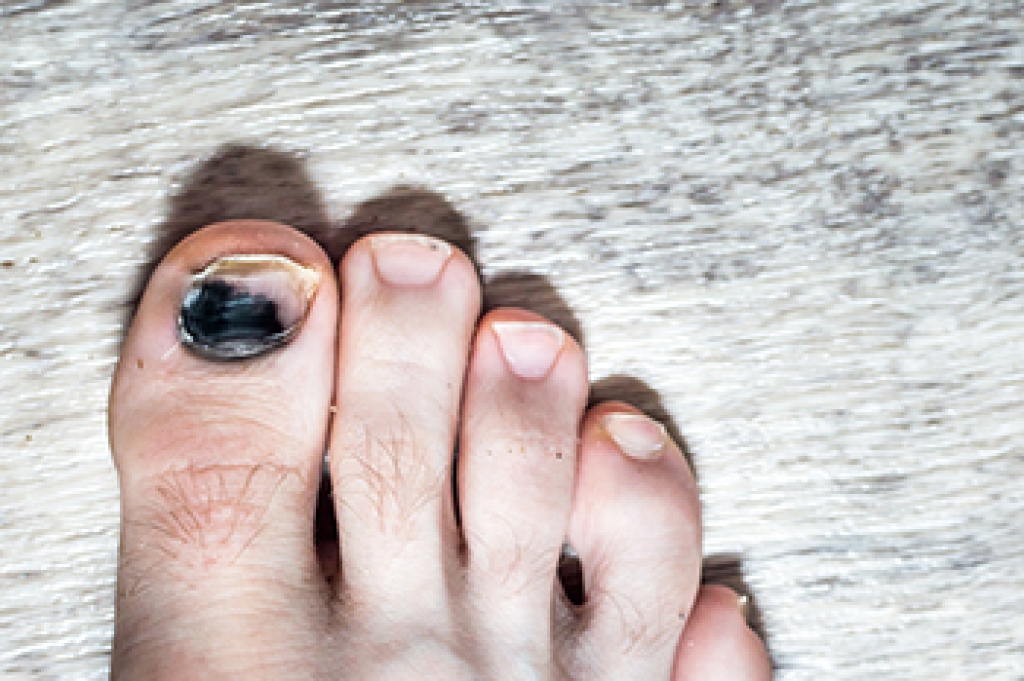
A black toenail can develop when blood, debris, or pigment collects beneath or within the nail. Repeated pressure from wearing tight shoes can injure the toe, especially while running or hiking. A dropped object can also break tiny blood vessels under the nail and cause sudden pain, swelling, and dark color. Fungal infections sometimes thicken the nail and create debris that makes it look black. Natural pigment changes can produce dark streaks, particularly in people with darker skin. Less frequently, a black nail can point to diabetes, kidney disease, or heart disease. It can also be a sign of melanoma, a serious form of skin cancer.
A podiatrist should examine a black toenail when its cause is unclear. An exam is also needed if the nail changes shape or discoloration does not grow out naturally. The podiatrist can determine whether discoloration comes from trapped blood, infection, or pigment. Testing a small nail sample can help confirm fungus. A tissue sample may be examined when the dark area has features linked to melanoma. Prompt evaluation is especially important when discoloration spreads onto nearby skin, if pain becomes intense, or if drainage develops.
A podiatrist can make a tiny opening in an injured nail to release trapped blood and ease pressure. The doctor can remove damaged nail material or treat an infection. Suspicious pigment changes can be tested, and care with a skin-cancer specialist can be arranged. To reduce injury risk, choose well-fitting shoes with enough toe room and proper support. Keep toenails trimmed straight across. Protective shoes can help when work creates a risk of heavy objects falling on the feet. Regular foot checks make new color changes easier to notice. If you have toenails that appear black or discolored, it is suggested that you schedule an appointment with a podiatrist for a diagnosis and appropriate treatment.
Toe pain can disrupt your daily activities. If you have any concerns, contact Dr. Paul Drucker of NYC Foot Care, PC. Our doctor can provide the care you need to keep you pain-free and on your feet.
What Causes Toe Pain?
Most severe toe pain is caused due to a sports injury, trauma from dropping something heavy on the toe, or bumping into something rigid. Other problems can develop over time for various reasons.
Toe pain can be caused by one or more ailments. The most common include:
When to See a Podiatrist
Diagnosis
In many cases the cause of toe pain is obvious, but in others, a podiatrist may want to use more advanced methods to determine the problem. These can range from simple visual inspections and sensation tests to X-rays and MRI scans. Prior medical history, family medical history, and any recent physical traumatic events will all be taken into consideration for a proper diagnosis.
Treatment
Treatments for toe pain and injuries vary and may include shoe inserts, padding, taping, medicines, injections, and in some cases, surgery. If you believe that you have broken a toe, please see a podiatrist as soon as possible.
If you have any questions please contact our offices located in 70th Street Manhattan, 60th Street Manhattan, Jamaica, Queens, Plainview, NY and Fair Lawn, NJ . We offer the newest diagnostic and treatment technologies for all your foot and ankle needs.

Sports-related foot and ankle injuries can interrupt training, limit performance, and make everyday movement uncomfortable. Running, jumping, and sudden changes in direction place repeated stress on the feet and ankles, increasing the risk of injury. Common problems include ankle sprains, stress fractures, tendon injuries, and heel pain. Tendons are strong bands of tissue that connect muscles to bones. Symptoms include pain, swelling, bruising, and stiffness. Difficulty putting weight on the affected foot or ankle is another sign. Some injuries develop suddenly after a fall or awkward landing, while others result from repeated stress that gradually damages bones or soft tissues. Early evaluation helps identify the source of pain before the injury becomes more serious.
A podiatrist carefully evaluates foot structure, ankle stability, and walking pattern to determine what is contributing to the injury. The examination also identifies areas of tenderness and movement problems that increase stress on the feet during sports and other activities. Treatment includes custom orthotics, footwear recommendations, and care tailored to the specific injury. A podiatrist can also recommend exercises that improve flexibility, strength, and balance to support recovery and help reduce the risk of future injuries. Regular evaluations help monitor healing and guide a safe return to athletic activities. Improving foot mechanics can also reduce unnecessary strain on the joints and supporting tissues while walking and running.
Ignoring a sports-related foot or ankle injury can lead to ongoing pain, reduced performance, and a greater chance of repeated injuries. Returning to sports too quickly can increase stress on healing tissues and delay recovery. Wearing shoes that provide proper support and addressing movement problems can help protect the feet and ankles during physical activity. Early podiatry care improves foot function, supports healthy movement, and helps patients return to their favorite activities with greater confidence. If you have sustained a sports-related foot and ankle injury, it is suggested that you schedule an appointment with a podiatrist for diagnosis and treatment.
Sports related foot and ankle injuries require proper treatment before players can go back to their regular routines. For more information, contact Dr. Paul Drucker of NYC Foot Care, PC. Our doctor can provide the care you need to keep you pain-free and on your feet.
Sports Related Foot and Ankle Injuries
Foot and ankle injuries are a common occurrence when it comes to athletes of any sport. While many athletes dismiss the initial aches and pains, the truth is that ignoring potential foot and ankle injuries can lead to serious problems. As athletes continue to place pressure and strain the area further, a mild injury can turn into something as serious as a rupture and may lead to a permanent disability. There are many factors that contribute to sports related foot and ankle injuries, which include failure to warm up properly, not providing support or wearing bad footwear. Common injuries and conditions athletes face, including:
Sports related injuries are commonly treated using the RICE method. This includes rest, applying ice to the injured area, compression and elevating the ankle. More serious sprains and injuries may require surgery, which could include arthroscopic and reconstructive surgery. Rehabilitation and therapy may also be required in order to get any recovering athlete to become fully functional again. Any unusual aches and pains an athlete sustains must be evaluated by a licensed, reputable medical professional.
If you have any questions please contact our offices located in 70th Street Manhattan, 60th Street Manhattan, Jamaica, Queens, Plainview, NY and Fair Lawn, NJ . We offer the newest diagnostic and treatment technologies for all your foot and ankle needs.
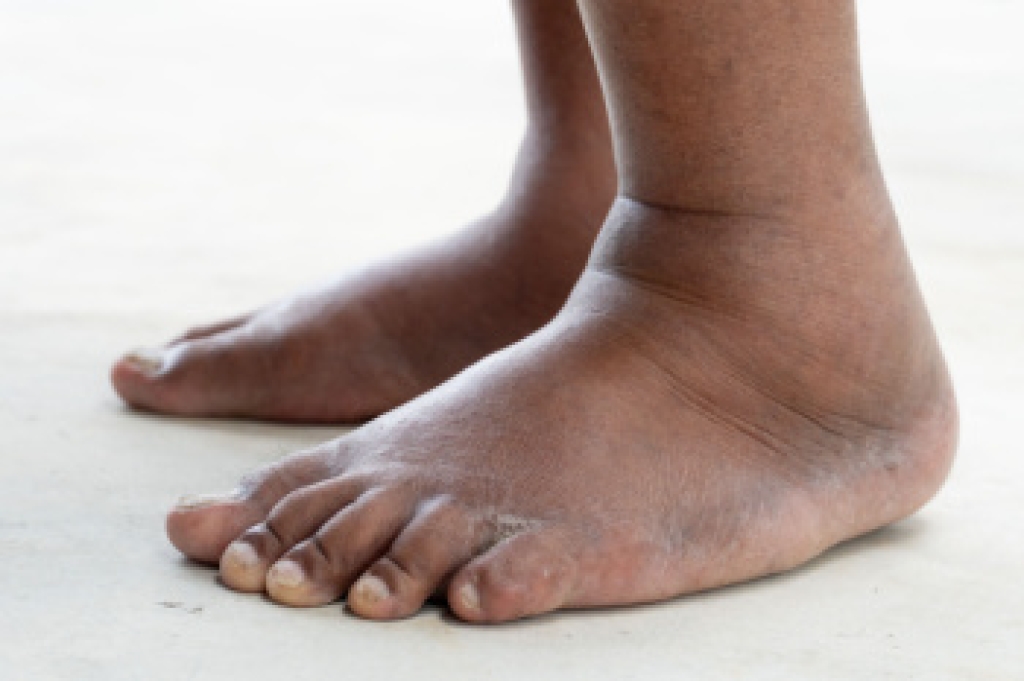
Swelling of the feet is a common problem that can make standing, walking, and wearing shoes uncomfortable. It occurs when extra fluid builds up in the tissues of the feet, causing them to appear larger than normal. Foot swelling may develop after an injury or prolonged standing. It can also be linked to certain medical conditions that affect circulation or joint health. Many people notice tightness, aching, or tenderness along with the swelling. Others may have stiffness that limits normal movement or makes daily activities more difficult. Because swollen feet can have many causes, a professional evaluation is important to determine the source of the problem and the most appropriate treatment.
In some cases, swelling affects one foot, while other conditions cause both feet to become swollen. Persistent swelling may place added stress on the joints and soft tissues, making it more difficult to maintain normal mobility. Pain, skin changes, or difficulty bearing weight may indicate a more serious underlying condition that requires medical attention. A thorough podiatry evaluation helps identify whether the swelling is related to an injury, inflammation, or another foot problem. If needed, additional testing may be recommended to better understand the cause. Early diagnosis can help prevent complications and support better long-term foot health.
A podiatrist specializes in evaluating swollen feet and identifying conditions that affect foot structure and function. During an examination, the podiatrist assesses your symptoms, foot mechanics, and overall mobility to develop a personalized treatment plan. Professional care focuses on reducing discomfort, improving movement, and addressing the underlying cause of the swelling. Early podiatry care may also help prevent worsening symptoms and reduce the risk of long-term complications. If swelling of the feet is causing pain, limiting your mobility, or becoming more frequent, it is suggested that you consult a podiatrist for an evaluation and appropriate treatment options.
Swollen feet can be a sign of an underlying condition. If you have any concerns, contact Dr. Paul Drucker of NYC Foot Care, PC. Our doctor can provide the care you need to keep you pain-free and on your feet.
Swollen feet are a common ailment among pregnant women and people who stand or sit for extended periods. Aging may increase the possibility of swollen feet and patients who are obese often notice when their feet are swelling too. There may be medical reasons why swollen feet occur:
Swollen feet can also be caused by bone and tendon conditions, including fractures, arthritis, and tendinitis. Additionally, there may be skin and toenail conditions and an infection may cause the feet to swell. Patients who take medicine to treat high blood pressure may be prone to getting swollen feet.
Many patients elevate their feet to help relieve the swelling and this is generally a temporary remedy. When a podiatrist is consulted the reason behind the swelling can be uncovered and subsequently treated.
If you have any questions please contact our offices located in 70th Street Manhattan, 60th Street Manhattan, Jamaica, Queens, Plainview, NY and Fair Lawn, NJ . We offer the newest diagnostic and treatment technologies for all your foot and ankle needs.
Connect With Us
