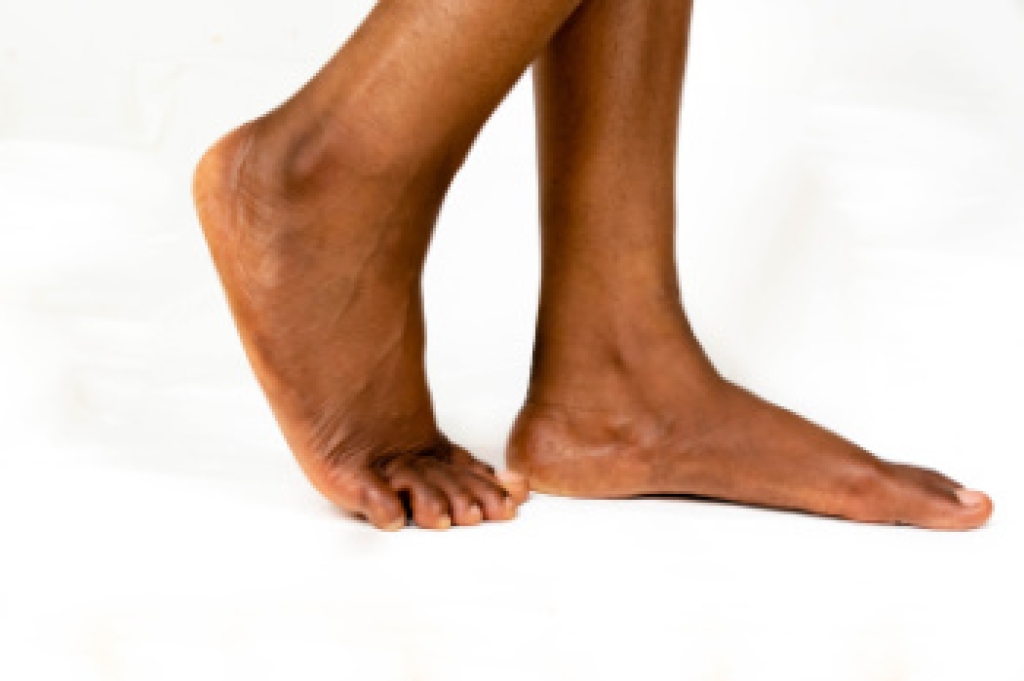
Understanding Minimally Invasive Foot Surgery

Minimally invasive foot surgery is an advanced podiatric technique that corrects structural foot problems through very small incisions. Unlike traditional open procedures, this approach uses specialized instruments and imaging guidance to treat conditions with precision while limiting disruption to surrounding tissues. It is commonly used in modern podiatry for patients seeking effective correction with a more efficient recovery process. This method reflects a shift toward patient-centered care that prioritizes both outcomes and comfort.

Patients who undergo minimally invasive foot surgery often report less post operative pain, reduced swelling, and minimal scarring. Because the incisions are small, the body experiences less trauma, which can support quicker healing and earlier return to daily activities. Many individuals are able to walk sooner compared to traditional surgery, depending on the condition being treated. These benefits make it an appealing option for those with busy lifestyles or those who want to avoid extended downtime.


Common foot conditions treated with this technique include bunions, hammertoes, and certain cases of plantar fasciitis. Symptoms that may indicate the need for surgical correction include persistent pain, joint stiffness, and difficulty wearing shoes. Risk factors such as wearing improper footwear, repetitive stress, and biomechanical imbalance can contribute to these issues. A podiatrist evaluates each case carefully to determine whether a minimally invasive approach is appropriate.


Choosing the right treatment begins with a proper diagnosis and a clear understanding of available options. Minimally invasive foot surgery offers a modern solution that blends precision with patient comfort, making it an important advancement in foot care. If you have consistent foot pain from a specific condition,  it is suggested that you consult a podiatrist to discuss minimally invasive options and receive appropriate care tailored to your needs.

Foot surgery is sometimes necessary to treat a foot ailment. To learn more, contact Dr. Paul Drucker of NYC Foot Care, PC. Our doctor will assist you with all of your foot and ankle needs.

When Is Surgery Necessary?

Foot and ankle surgery is generally reserved for cases in which less invasive, conservative procedures have failed to alleviate the problem. Some of the cases in which surgery may be necessary include:

  • Removing foot deformities like bunions and bone spurs
  • Severe arthritis that has caused bone issues
  • Cosmetic reconstruction

What Types of Surgery Are There?

The type of surgery you receive will depend on the nature of the problem you have. Some of the possible surgeries include:

  • Bunionectomy for painful bunions
  • Surgical fusion for realignment of bones
  • Neuropathy decompression surgery to treat nerve damage

Benefits of Surgery

Although surgery is usually a last resort, it can provide more complete pain relief compared to non-surgical methods and may allow you to finally resume full activity.

Surgical techniques have also become increasingly sophisticated. Techniques like endoscopic surgery allow for smaller incisions and faster recovery times.

If you have any questions, please feel free to contact our offices located in 70th Street Manhattan, 60th Street Manhattan, Jamaica, Queens, Plainview, NY and Fair Lawn, NJ . We offer the newest diagnostic and treatment technologies for all your foot care needs.
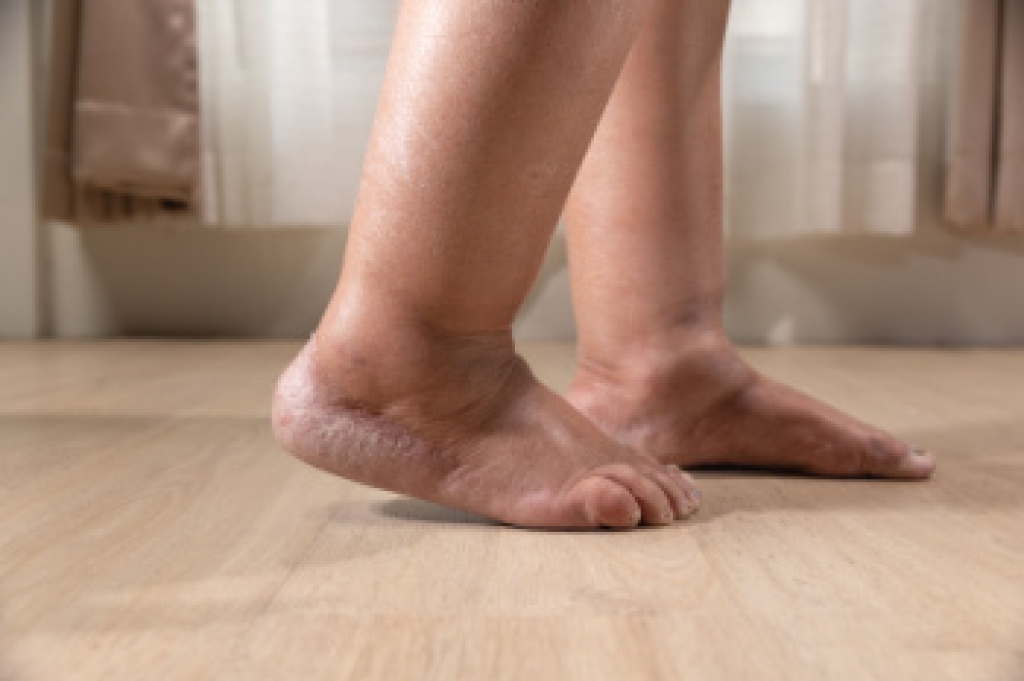

Read more about Foot Surgery

Cuboid Syndrome and Lateral Foot Pain

Cuboid syndrome is a condition that affects the cuboid bone, which is located on the outer side of the foot. This small but important bone plays a key role in stabilizing the foot and supporting proper movement during walking and running. It acts as a connector between the midfoot and the outer column of the foot, helping to maintain balance and absorb force. When the cuboid becomes misaligned or irritated, it can lead to pain and reduced mobility.

Symptoms of cuboid syndrome often include sharp or aching pain along the outer edge of the foot. Individuals may notice discomfort when bearing weight, walking, or pushing off during activity. Swelling, tenderness, and weakness in the foot may also occur. Risk factors include repetitive strain, ankle sprains, wearing improper footwear, and activities that involve sudden directional changes. Athletes and individuals with flat feet or unstable gait patterns may be more prone to this condition.

The causes of cuboid syndrome are typically linked to mechanical stress or injury. A sudden inversion ankle injury can shift the cuboid out of its normal position. Overuse from high impact activities such as running or jumping can also contribute to irritation. Wearing unsupportive shoes may increase strain on the lateral foot and worsen symptoms. Understanding these contributing factors is important for both prevention and effective management.

The key takeaway is that cuboid syndrome can significantly impact daily movement if left untreated. Early recognition of symptoms and proper care can help restore function and relieve pain. Wearing supportive footwear and modifying activity play an important role in recovery. If you have pain in the outside of your foot, it is suggested that you consult a podiatrist who can accurately diagnose and treat cuboid syndrome.

Cuboid syndrome, also known as cuboid subluxation, occurs when the joints and ligaments near the cuboid bone in the foot become torn. If you have cuboid syndrome, consult with Dr. Paul Drucker from NYC Foot Care, PC. Our doctor will assess your condition and provide you with quality foot and ankle treatment.

Cuboid syndrome is a common cause of lateral foot pain, which is pain on the outside of the foot. The condition may happen suddenly due to an ankle sprain, or it may develop slowly overtime from repetitive tension through the bone and surrounding structures.

Causes

The most common causes of cuboid syndrome include:

  • Injury – The most common cause of this ailment is an ankle sprain.
  • Repetitive Strain – Tension placed through the peroneus longus muscle from repetitive activities such as jumping and running may cause excessive traction on the bone causing it to sublux.
  • Altered Foot Biomechanics – Most people suffering from cuboid subluxation have flat feet.

Symptoms

A common symptom of cuboid syndrome is pain along the outside of the foot which can be felt in the ankle and toes. This pain may create walking difficulties and may cause those with the condition to walk with a limp.

Diagnosis

Diagnosis of cuboid syndrome is often difficult, and it is often misdiagnosed. X-rays, MRIs and CT scans often fail to properly show the cuboid subluxation. Although there isn’t a specific test used to diagnose cuboid syndrome, your podiatrist will usually check if pain is felt while pressing firmly on the cuboid bone of your foot.

Treatment

Just as the range of causes varies widely, so do treatments. Some more common treatments are ice therapy, rest, exercise, taping, and orthotics.

If you have any questions, please feel free to contact our offices located in 70th Street Manhattan, 60th Street Manhattan, Jamaica, Queens, Plainview, NY and Fair Lawn, NJ . We offer the newest diagnostic and treatment technologies for all your foot care needs.

Read more about All About Cuboid Syndrome

How a Podiatrist Helps With Diabetic Foot Care

Diabetic foot care is important because diabetes can affect nerves and blood flow in the feet. Nerve damage can reduce feeling, which means a cut, blister, or sore may not hurt right away. Poor blood flow can make it harder for an injury to heal and can increase the risk of infection. These problems can become serious when they are not found early. Warning signs include numbness, redness, and open sores. Other concerns include swelling, drainage, or changes in skin color. A podiatrist can help patients with diabetes protect their feet through regular exams and early treatment. These visits are especially valuable when patients have past wounds or changing foot shape.

A podiatrist checks the nails, circulation, and feeling in the feet. Circulation means how well blood moves through the body. The exam also includes looking for pressure spots that can lead to wounds. Thick toenails, calluses, and corns can create extra stress on the skin. A podiatrist can trim problem nails safely and remove painful thick skin with the right instruments. This is especially important for patients with reduced feeling, because small cuts can lead to infection. The podiatrist can also check whether shoes fit properly and if special inserts or diabetic shoes are needed.

Diabetic foot care is most effective when it is part of ongoing medical care. A podiatrist can treat ulcers, order imaging, and coordinate care when an infection is suspected. An ulcer is an open wound that can be slow to heal. Treatment can include wound cleaning, pressure relief, or medication for infection. Pressure relief means reducing stress on the sore area so healing can occur. Your podiatrist can also monitor changes in walking, foot shape, or skin health. Regular visits help catch problems before they threaten mobility. If you have symptoms of diabetic foot problems, it is suggested that you  are under the care of a podiatrist who can offer effective relief and management solutions.

Diabetic foot care is important in preventing foot ailments such as ulcers. If you are suffering from diabetes or have any other concerns about your feet, contact Dr. Paul Drucker from NYC Foot Care, PC. Our doctor can provide the care you need to keep you pain-free and on your feet.

Diabetic Foot Care

Diabetes affects millions of people every year. The condition can damage blood vessels in many parts of the body, especially the feet. Because of this, taking care of your feet is essential if you have diabetes, and having a podiatrist help monitor your foot health is highly recommended.

The Importance of Caring for Your Feet

  • Routinely inspect your feet for bruises or sores.
  • Wear socks that fit your feet comfortably.
  • Wear comfortable shoes that provide adequate support.

Patients with diabetes should have their doctor monitor their blood levels, as blood sugar levels play such a huge role in diabetic care. Monitoring these levels on a regular basis is highly advised.

It is always best to inform your healthcare professional of any concerns you may have regarding your feet, especially for diabetic patients. Early treatment and routine foot examinations are keys to maintaining proper health, especially because severe complications can arise if proper treatment is not applied.

If you have any questions, please feel free to contact our offices located in 70th Street Manhattan, 60th Street Manhattan, Jamaica, Queens, Plainview, NY and Fair Lawn, NJ . We offer the newest diagnostic and treatment technologies for all your foot care needs.
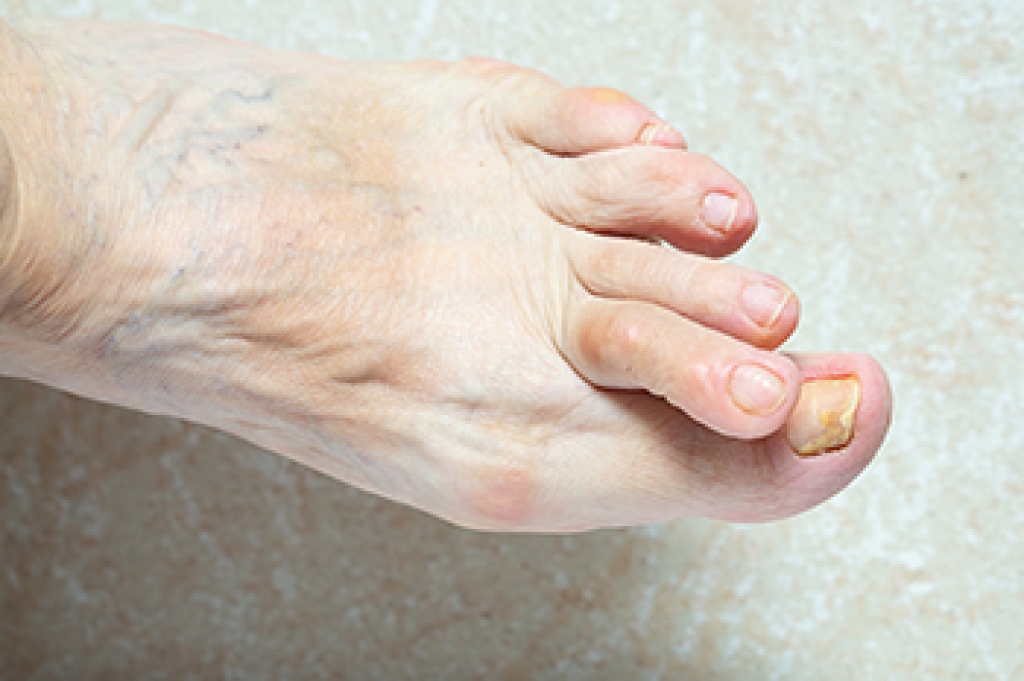
Read more about How to Care for Diabetic Foot

What You Should Know About Foot Fractures

Broken bones in the feet can interfere with standing, walking, and other daily activities. The foot contains 26 bones that work together to provide support and movement. A fracture is the medical term for a broken bone. Fractures range from small cracks to complete breaks. Some occur after a sudden injury, while others develop from repeated stress placed on the foot. A broken foot bone can result from a fall, a sports-related injury, or a heavy object landing on the foot. Certain fractures occur when repeated impact places more pressure on a bone than it can handle. These are called stress fractures. Because foot bones absorb your body weight with every step, even a small fracture can cause significant pain and limit mobility.

Symptoms of a broken foot bone vary depending on the location and severity of the injury. Pain is usually the most noticeable sign. Swelling, bruising, and tenderness are also common. Some people have difficulty putting weight on the affected foot. Others notice pain while walking or standing. In some cases, the foot appears misshapen or develops noticeable swelling around the injured area. Ignoring these symptoms can lead to additional problems. Continued pressure on a fractured bone can affect healing and increase discomfort. Prompt evaluation helps determine the extent of the injury and the most appropriate treatment plan.

A podiatrist plays an important role in diagnosing and treating broken foot bones. Diagnosis includes a physical examination and imaging studies, such as X-rays. Treatment depends on the type of fracture and its location. Care includes immobilization with a cast, boot, or other protective device. More severe fractures sometimes require surgery to restore proper bone alignment. A podiatrist also monitors healing and helps reduce the risk of long-term complications. Early treatment can improve comfort and support a safer return to normal activities. If you have fractured your foot,  it is suggested that you schedule an appointment with a podiatrist for an accurate diagnosis and appropriate treatment.

A broken foot requires immediate medical attention and treatment. If you need your feet checked, contact Dr. Paul Drucker from NYC Foot Care, PC. Our doctor can provide the care you need to keep you pain-free and on your feet.

Broken Foot Causes, Symptoms, and Treatment

A broken foot is caused by one of the bones in the foot typically breaking when bended, crushed, or stretched beyond its natural capabilities. Usually the location of the fracture indicates how the break occurred, whether it was through an object, fall, or any other type of injury. 

Common Symptoms of Broken Feet:

  • Bruising
  • Pain
  • Redness
  • Swelling
  • Blue in color
  • Numbness
  • Cold
  • Misshapen
  • Cuts
  • Deformities

Those that suspect they have a broken foot shoot seek urgent medical attention where a medical professional could diagnose the severity.

Treatment for broken bones varies depending on the cause, severity and location. Some will require the use of splints, casts or crutches while others could even involve surgery to repair the broken bones. Personal care includes the use of ice and keeping the foot stabilized and elevated.

If you have any questions, please feel free to contact our offices located in 70th Street Manhattan, 60th Street Manhattan, Jamaica, Queens, Plainview, NY and Fair Lawn, NJ . We offer the newest diagnostic and treatment technologies for all your foot care needs.

Read more about Causes, Symptoms, and Treatment for a Broken Foot

Wounds That Don't Heal Need to Be Checked

Your feet are covered most of the day. If you're diabetic, periodic screening is important for good health. Numbness is often a sign of diabetic foot and can mask a sore or wound.

Connect With Us

Advanced Podiatric Procedures & Services in the  New York City, NY: Manhattan, Brooklyn, Queens, Bronx, Staten Island, Jamaica, NY, Plainview, NY, Long Island, NY, Fair Lawn, NJ, Prospect Park, NJ, Paterson, NJ, Garfield, NJ, Maywood, NJ, Glen Rock, NJ, Ridgewood, NJ areas